A
Honda trade-in is an essential way to reduce your down payment or monthly payments on your next Honda vehicle. However, several factors can affect your vehicle’s trade-in value. Priority Honda Hampton highlights a few notable ones.
Your Vehicle’s Condition and Maintenance
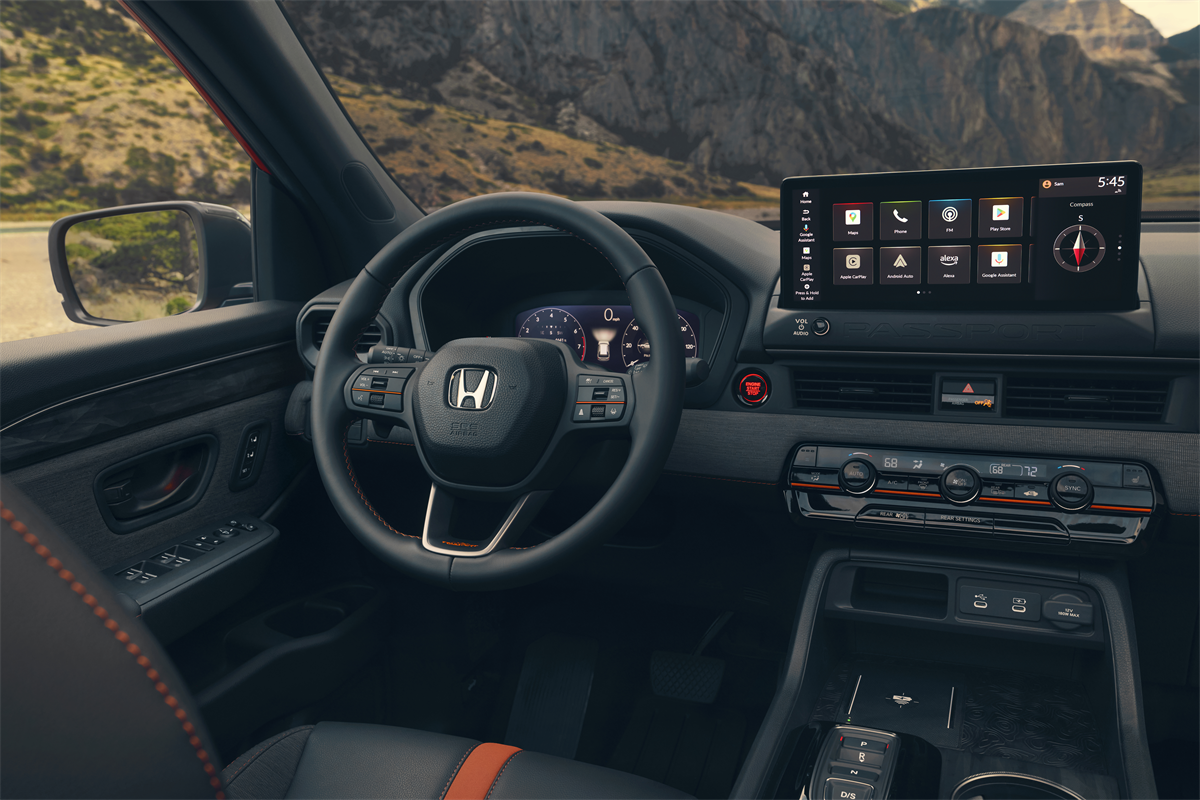
One factor that affects your Honda vehicle’s trade-in value is its condition. Cosmetic damage, such as worn upholstery or dented and rusted exterior surfaces, can lower your trade-in value. A regularly maintained Honda vehicle also typically has a higher trade-in value due to its reliability.
Your Vehicle’s Mileage and Age
Your Honda model’s mileage plays a pivotal part in its overall trade-in value. Vehicles with lower mileage typically have a higher trade-in value than those with higher mileage. This is because high mileage can indicate more wear and tear on a vehicle. Newer model years also have a higher trade-in value than older ones because of their updated features.
Current Market Demands
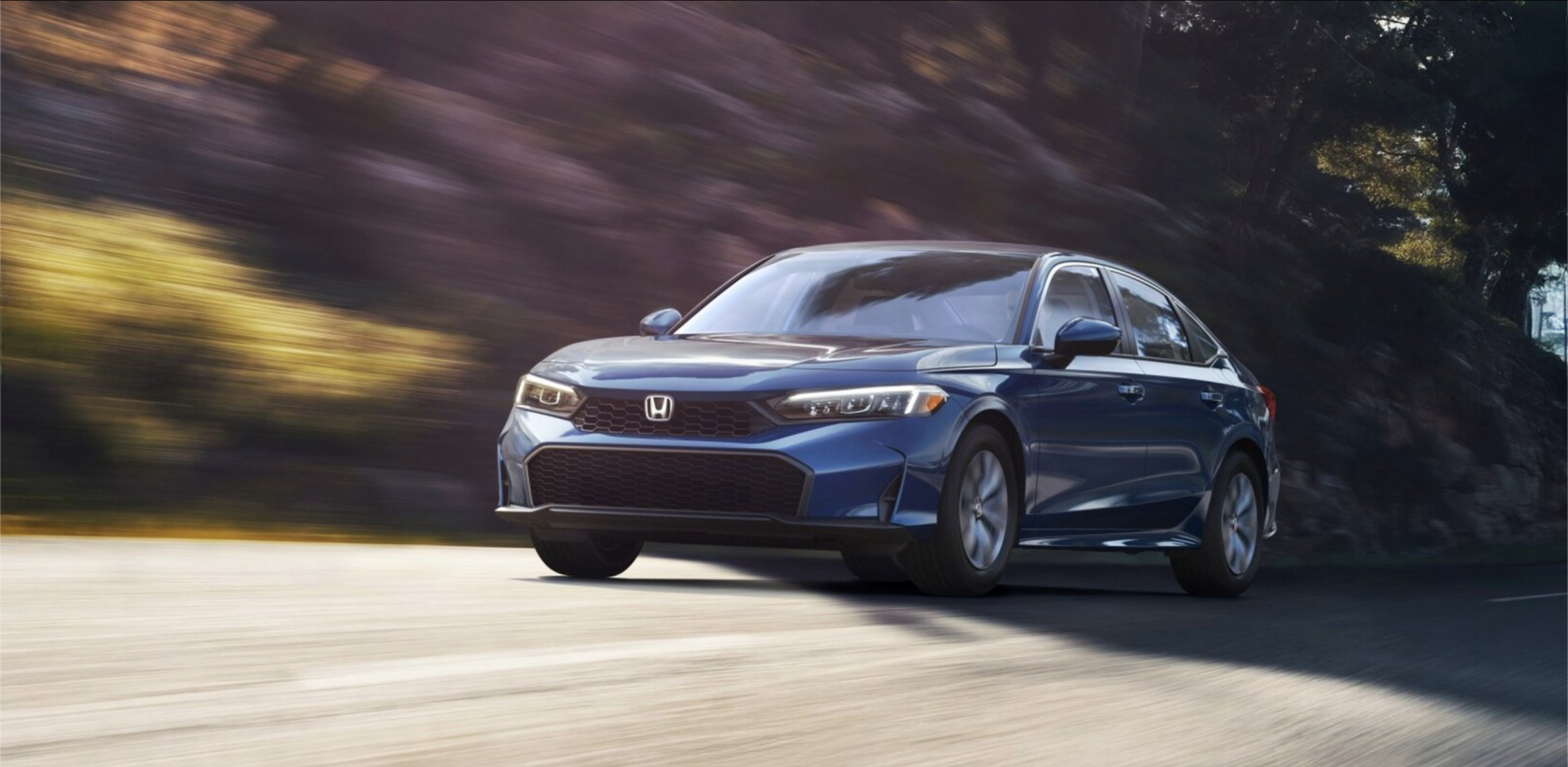
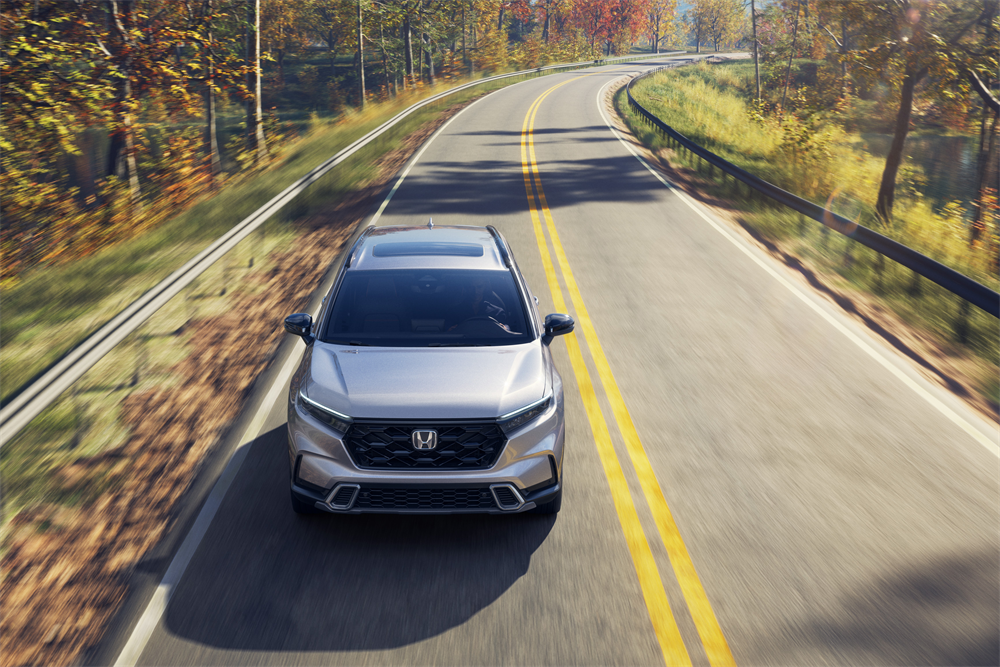
Current market demands are another factor that can significantly affect a Honda vehicle’s trade-in value. For instance, popular SUV models like the Honda Passport typically have a high trade-in value because of their versatile cargo space and seating configurations. Fuel-efficient models are typically in demand when fuel costs rise, which can boost their trade-in value.
Vehicle History
A vehicle’s history can help determine its overall trade-in value. If your vehicle has sustained significant collision damage, its trade-in value will be lower than that of vehicles with a clean title. A Honda vehicle might also have a lower trade-in value if a specific model has an open recall.
Explore Honda Trade-In Offers in Hampton, VA
Are you interested in learning what your vehicle could be worth? Visit our
Honda dealership in Hampton, VA, to get a straightforward appraisal from our team and explore our available inventory.